
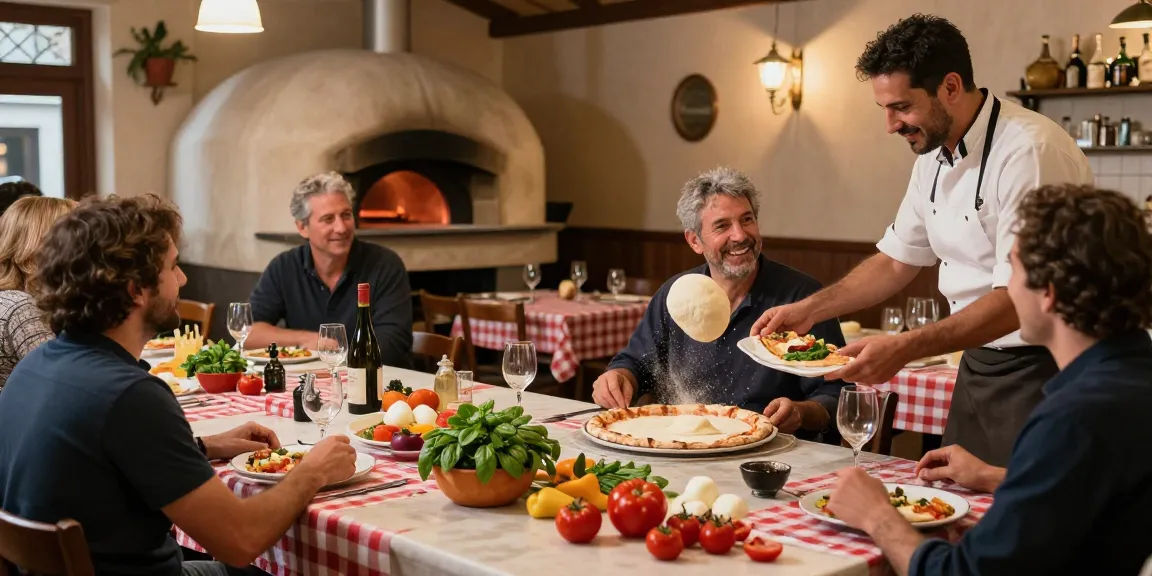
Understanding the Essence of Italian Cuisine
When it comes to Italian cuisine, the experience is about more than just the food; it’s a cultural affair steeped in history, flavors, and traditions. Renowned for its bold flavors and rich ingredients, authentic Italian cuisine has captivated the hearts and palates of food enthusiasts worldwide. Each region of Italy brings its own unique flair and specialties, creating a tapestry of flavors that contribute to a memorable dining experience. For those looking to delve into the captivating world of Italian cooking, establishments like pg soft provide a glimpse into the culinary delights that await.
What Defines Authentic Italian Food?
Authentic Italian food is characterized by its simplicity and quality. It centers around a few key elements: fresh ingredients, regional specialties, and traditional cooking methods. Whether it’s a classic Margherita pizza or a rich risotto, the focus is on enhancing the natural flavors of the ingredients. Italian cooks strive to use seasonal produce, high-quality olive oil, and artisanal cheeses to create dishes that are both delicious and true to their origins.
The Role of Fresh Ingredients in Italian Cooking
Fresh ingredients are the lifeblood of Italian cuisine. The emphasis on using what is in season ensures the meals not only taste better but also provide the health benefits associated with fresh produce. Ingredients such as ripe tomatoes, fragrant basil, and artisanal pasta are staples that form the basis of many traditional Italian dishes. By sourcing local ingredients and adopting a farm-to-table approach, restaurants can elevate their offerings and maintain authenticity.
Exploring Regional Variations Across Italy
Italy is a mosaic of culinary styles, each region boasting its own unique dishes and preparation methods. For example, Northern Italy is known for creamy risottos and hearty polenta, while Southern Italy shines with its focus on tomatoes, olives, and seafood. Understanding these regional differences can enrich a diner’s experience, allowing them to appreciate the diverse influences and flavors that Italian cuisine has to offer.
Key Components of a Memorable Dining Experience
A memorable dining experience goes beyond just the food—it encompasses the atmosphere, service, and beverage pairings that enhance the meal. Whether dining in an upscale restaurant or a cozy pizzeria, each element contributes to creating a lasting impression.
Creating a Welcoming Atmosphere for Guests
Atmosphere plays a crucial role in the dining experience. A warm, inviting environment with thoughtful decor, comfortable seating, and subtle lighting can make all the difference. Many Italian restaurants embrace a rustic charm, reminiscent of family gatherings in Italy. Incorporating elements such as traditional music, inviting scents, and friendly staff can further enhance the overall experience.
The Importance of Service Quality in Dining
Exceptional service is a cornerstone of a great dining experience. Knowledgeable staff who are passionate about the menu can guide guests through their meal, recommend pairings, and provide insights into the dishes. This personal touch not only elevates service quality but also makes diners feel valued and appreciated.
Elevating Meals with the Right Beverage Pairings
Beverage pairings can significantly enhance the enjoyment of a meal. Italian cuisine offers a myriad of options from robust red wines to refreshing aperitifs. Understanding which drinks complement specific dishes can elevate the taste experience. For example, pairing a bold Chianti with a rich Bolognese sauce creates a harmonious balance, while a light Pinot Grigio can enhance the flavors of a seafood pasta.
Enhancing Your Menu Offerings with pg soft
Incorporating variety into your menu can attract a wider range of customers. With shifting dietary preferences and a growing demand for specialty dishes, embracing options such as vegetarian, gluten-free, and seasonal offerings can set your establishment apart.
Incorporating Seasonal Dishes into Your Menu
Seasonal dishes not only highlight freshness but also resonate with customers seeking authentic dining experiences. For instance, a summer menu might feature light salads and grilled vegetables, while winter could boast hearty soups and rich pastas. Keeping the menu dynamic ensures that returning guests have something new to look forward to.
Adopting Gluten-Free and Vegan Options
As dietary restrictions become more prevalent, offering gluten-free and vegan options is essential. By creatively adapting traditional recipes, restaurants can cater to a broader audience without sacrificing flavor or authenticity. Examples include using chickpea flour for pasta or offering plant-based cheeses on pizzas.
Utilizing Technology for Menu Innovation
In the age of digital, technology plays a significant role in menu innovation. Utilizing apps for customer feedback can provide insights into popular dishes and preferences, while digital menus can easily adapt to include seasonal specials or highlight new offerings. This flexibility allows diners to engage with the menu in a modern way.
Marketing Strategies for Your Pizzeria
Effective marketing is crucial for attracting customers and establishing a loyal clientele. By embracing contemporary marketing strategies, pizzerias can reach a wider audience and enhance their brand presence.
Leveraging Social Media to Attract Diners
Social media platforms serve as powerful tools for marketing restaurants. Sharing visually appealing images of dishes, behind-the-scenes videos, and customer testimonials can create buzz and intrigue around your pizzeria. Engaging with followers through interactive content, such as polls or contests, can also enhance community involvement and build brand loyalty.
Collaborating with Local Influencers and Food Bloggers
Partnering with local influencers and food bloggers can provide valuable exposure. Their established audiences can introduce your pizzeria to potential customers who may not have discovered it otherwise. Inviting bloggers for a tasting event or offering influencers exclusive insights into your menu can lead to organic promotion.
Utilizing Customer Feedback for Menu Improvement
Listening to customer feedback is essential for continuous improvement. Encouraging diners to share their thoughts can help identify strengths and areas for enhancement. Implementing changes based on feedback not only improves the menu but also shows customers that their opinions are valued.
Future Trends in the Restaurant Industry
The restaurant industry continues to evolve, influenced by changing consumer preferences, technology, and global events. Staying ahead of these trends is critical for long-term success.
Embracing Sustainability and Eco-Friendly Practices
Sustainability is a growing concern for consumers, and restaurants that adopt eco-friendly practices can attract environmentally conscious diners. Implementing waste-reduction strategies, sourcing ingredients locally, and using biodegradable packaging are all steps that demonstrate a commitment to sustainability.
The Rise of Delivery Services in Dining
With the rise of food delivery services, many restaurants are adapting to meet customer demand for convenience. Offering online ordering and delivery options can boost sales and revenue, especially during times when dine-in traffic is low. Leveraging partnerships with delivery services can expand your reach while maintaining high-quality standards.
Innovations in Culinary Technology for 2026
The culinary landscape is set for exciting innovations in technology. From advanced cooking equipment to AI-driven inventory management, restaurants can enhance efficiency and customer satisfaction. Keeping abreast of these technologies can lead to improved workflows and ultimately a better dining experience for guests.
What are the Best Ways to Attract New Customers?
Attracting new customers requires a multi-faceted approach. Hosting events, such as wine tastings or cooking classes, can draw in potential diners. Additionally, providing loyalty programs and discounts for first-time visitors can incentivize new customers to choose your establishment over competitors.
How Can You Keep Your Menu Current and Interesting?
Keeping a menu fresh and engaging involves continuously introducing new dishes while maintaining popular favorites. Regularly updating the menu based on seasonal ingredients, customer feedback, and culinary trends can keep diners excited about returning. Collaborating with chefs for creative specials can also draw attention.
What Should You Consider When Opening a New Location?
When considering a new location, factors such as target demographics, competition, and local market trends must be assessed. Conducting thorough research can provide insights into whether the new site aligns with your brand and customer base. Additionally, ensuring consistency in quality and service across all locations is paramount.
How Can Seasonal Ingredients Impact Menu Choices?
Seasonal ingredients not only promote sustainability but also influence menu planning significantly. Restaurants can create unique dishes that celebrate the flavors of each season, driving interest and anticipation for diners looking for authentic experiences. This not only highlights culinary creativity but also supports local agriculture.
What Dining Culture Trends Should You Watch?
As dining culture evolves, trends such as experiencing food through shared plates, focus on health and wellness, and immersive dining experiences are becoming increasingly popular. Restaurants should remain vigilant to these shifts to stay relevant and appeal to changing consumer expectations.
